Media Text
The Qin
The Qin sought to create a state unified by structured centralized political power and a large military supported by a stable economy.[6] The central government moved to undercut aristocrats and landowners to gain direct administrative control over the peasantry, who comprised the overwhelming majority of the population and labour force.
Emperor
- 1636–1643 (proclaimed in Shenyang) Chongde Emperor
- 1644–1661 (first in Beijing)Shunzhi Emperor
- 1908–1912 (last) Xuantong Emperor
Faq
Min Chinese
Min (simplified Chinese: 闽语; traditional Chinese: 閩語; pinyin: Mǐnyǔ; Pe̍h-ōe-jī: Bân-gú / Bân-gír / Bân-gí / Mân-ú; BUC: Mìng-ngṳ̄) is a broad group of Sinitic languages with about 70 million native speakers. These languages are spoken in Fujian province as well as by the descendants of Min-speaking colonists on the Leizhou Peninsula and Hainan and by the assimilated natives of Chaoshan, parts of Zhongshan
Media Text
The Qing dynasty
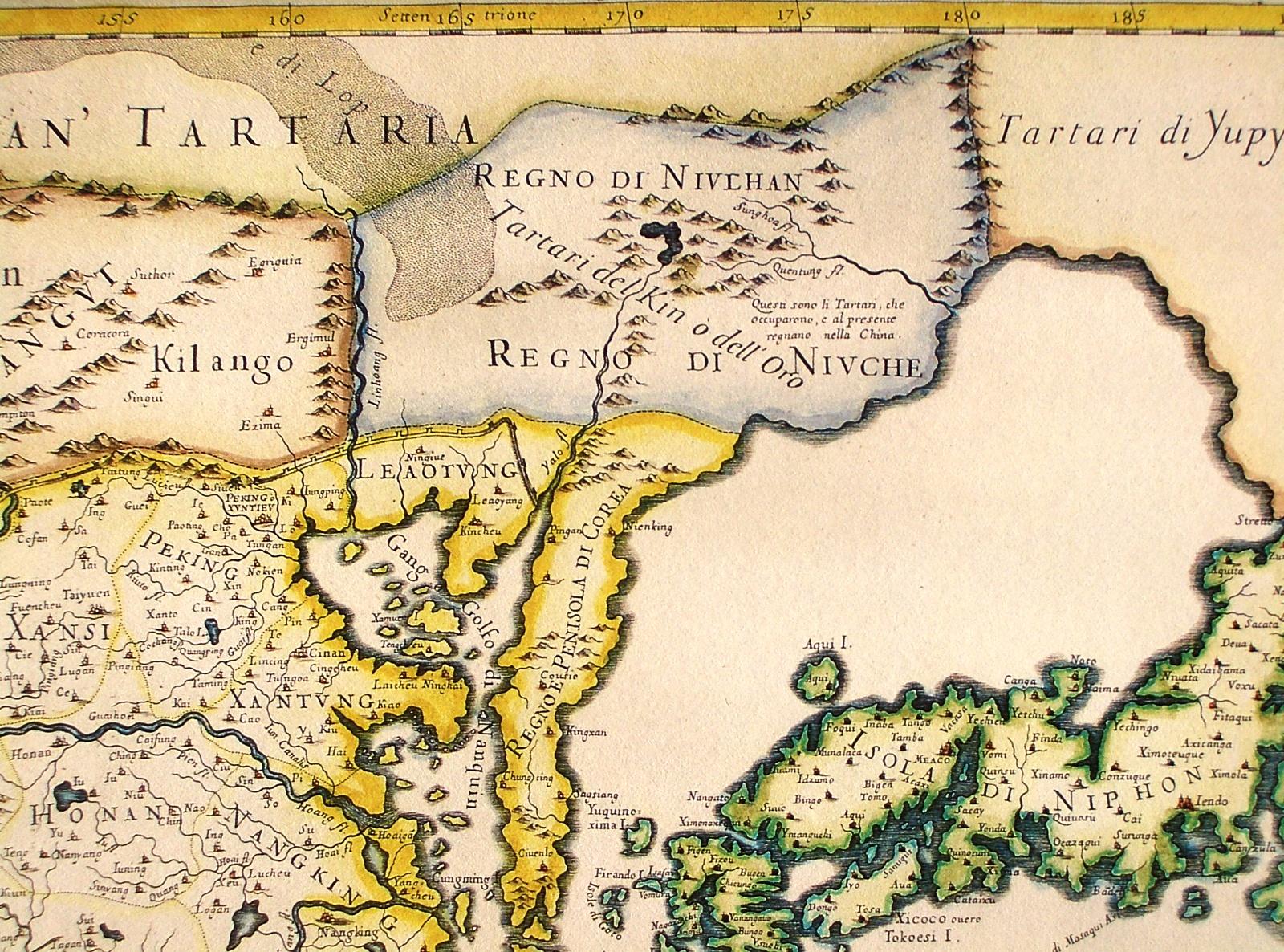
The Qing dynasty was founded not by the Han people, who constitute the majority of the Chinese population, but by the Manchus, descendants of a sedentary farming people known as the Jurchens, a Tungusic people who lived around the region now comprising the Chinese provinces of Jilin and Heilongjiang. The Manchus are sometimes mistaken for a nomadic people,which they were not.
Nurhaci
The early form of the Manchu state was founded by Nurhaci, the chieftain of a minor Jurchen tribe – the Aisin-Gioro – in Jianzhou in the early 17th century.
Historical era
- Proclaimed - 1636
- Transition from Ming to Qing - 1644–1662
- Conquest of Tibet, Mongolia, Xinjiang - 1687–1758