Revitalizing Urban Spaces
Transforming cities with innovative urban planning and architecture
Transforming cities with innovative urban planning and architecture
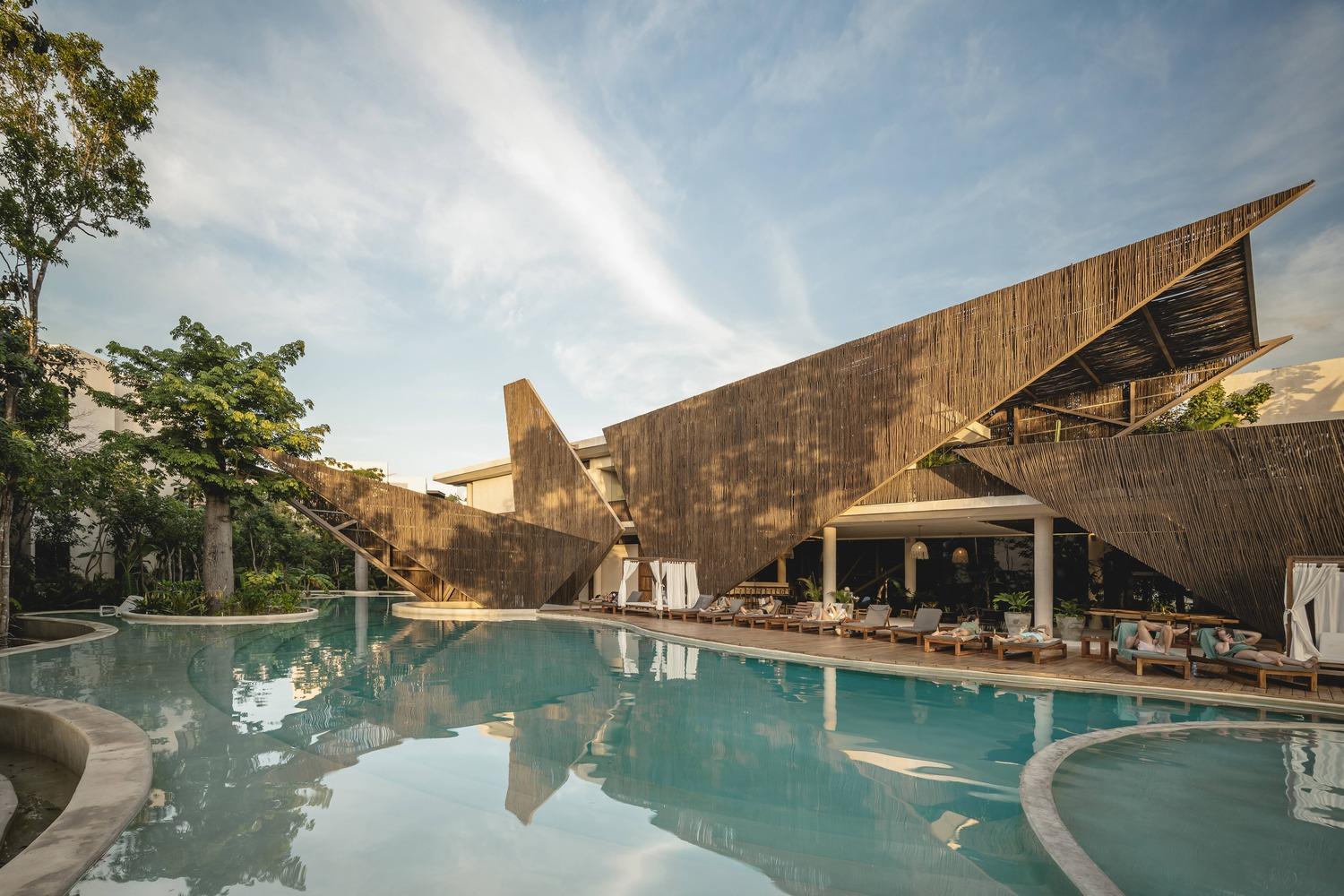
Urban areas are undergoing unprecedented transformations worldwide.
The concept of revitalizing urban spaces is reshaping the way we think about city planning and architecture. With the rapid pace of urbanization, many cities are now tasked with transforming underutilized areas into lively, sustainable environments. Architects and planners are embracing innovative solutions that blend cultural heritage with modern technology, creating urban landscapes that are both functional and inspiring.
Lorem Ipsum is simply dummy text of the printing and typesetting industry. Lorem Ipsum has been the industry's standard dummy text ever since the 1500s, when an unknown printer took a galley of type and scrambled it to make a type specimen book.
| Key Aspect | Initiative |
|---|---|
| Community Engagement | Facilitate collaborative planning sessions |
| Sustainable Infrastructure | Develop green transit and pedestrian pathways |
One of the most impactful strategies in urban revitalization is adaptive reuse. This approach involves repurposing abandoned or outdated structures into modern spaces that serve new functions. Historic buildings, once destined for demolition, are being reinterpreted to host cultural centers, boutique offices, and community hubs. This not only preserves the architectural identity of a city but also promotes a sustainable model of development by reducing waste and environmental impact.
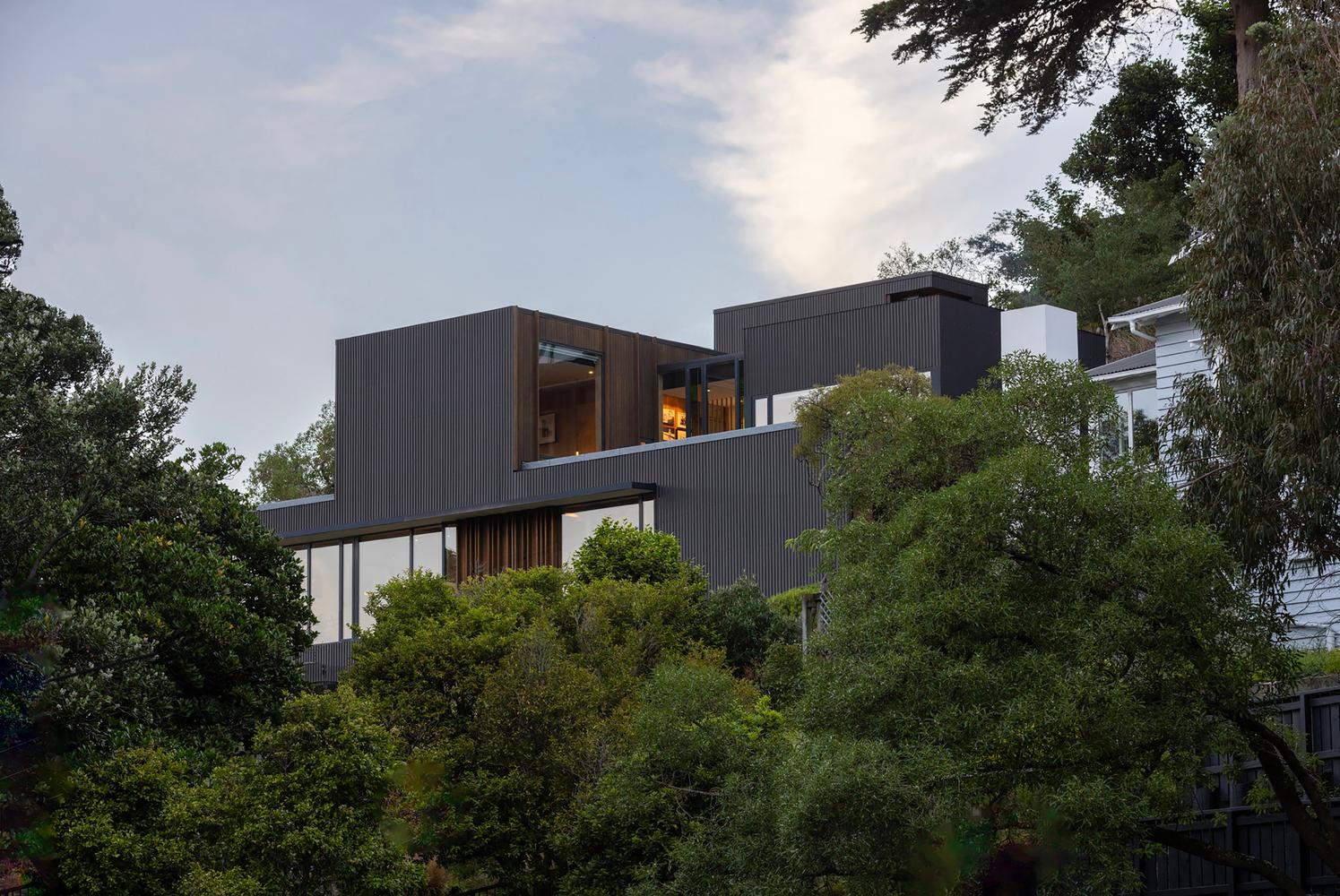
Sustainability is at the forefront of revitalizing urban spaces. Green infrastructure—including parks, green roofs, and urban gardens—integrates nature into the cityscape. These initiatives improve air quality, reduce urban heat islands, and provide residents with essential recreational spaces. By weaving nature into the fabric of urban design, cities can foster healthier, more resilient communities.
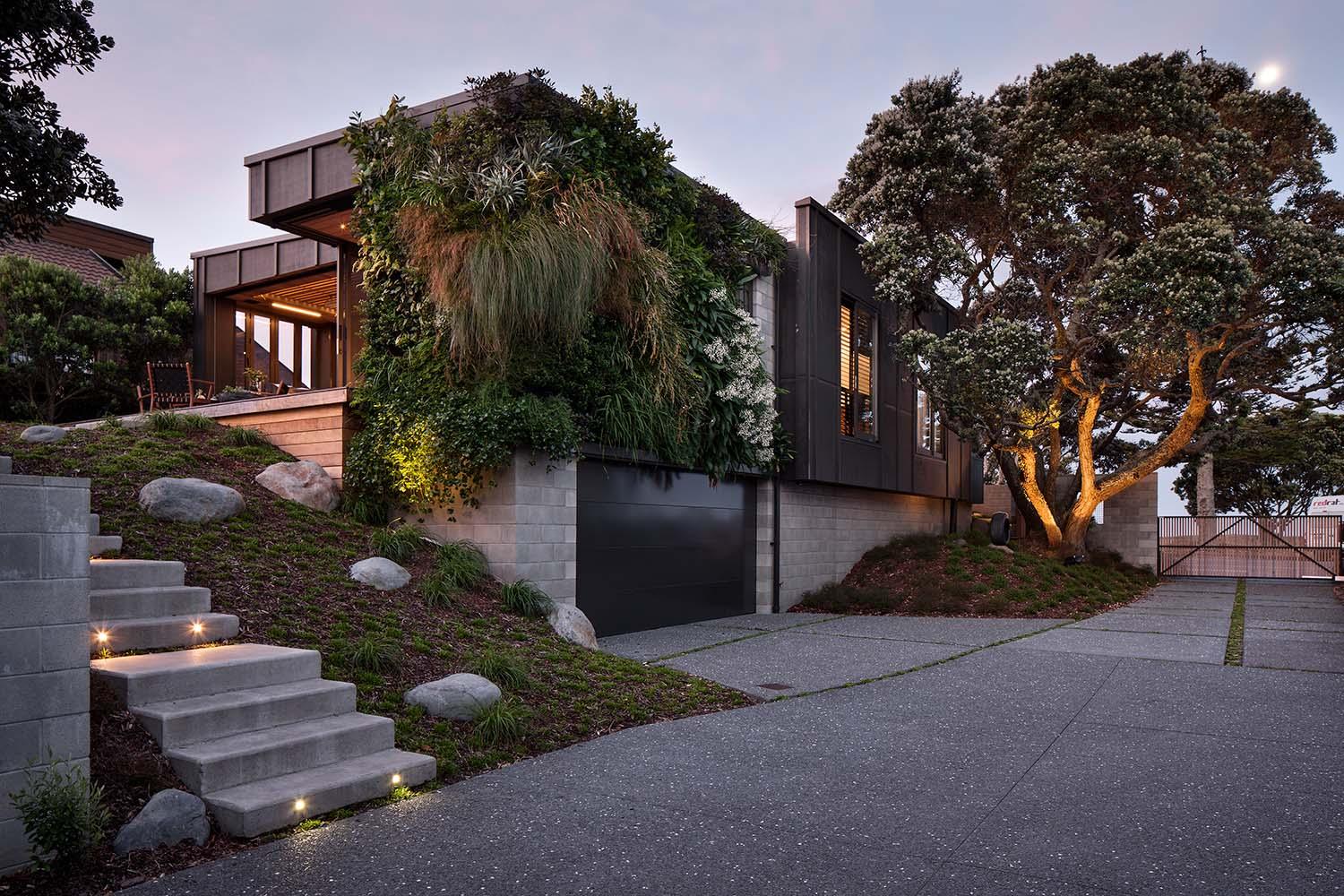
Urban transformation is most successful when it involves the community at every step. Planners and architects are now engaging local residents through participatory design processes. These collaborative efforts ensure that new developments address the real needs of the community, from affordable housing to public art installations. The result is a more inclusive urban space that reflects the unique character and aspirations of its inhabitants.
Several cities around the world have become exemplars of urban renewal:
These examples demonstrate that a strategic mix of historic preservation, innovative design, and community involvement can turn neglected areas into thriving urban centers.
While urban revitalization offers many benefits, it is not without its challenges. Gentrification, rising property values, and displacement are pressing concerns that need to be addressed through equitable planning policies. Future urban projects must prioritize inclusivity, ensuring that revitalized spaces benefit all community members.
Emerging trends such as smart city technologies and resilient design further contribute to creating urban areas that are adaptive to climate change and future demographic shifts. By continuously integrating new ideas with established practices, cities can remain dynamic and responsive to the evolving needs of their residents.
| Key Aspect | Initiative |
|---|---|
| Community Engagement | Facilitate collaborative planning sessions |
| Sustainable Infrastructure | Develop green transit and pedestrian pathways |
Revitalizing urban spaces is more than a trend—it's a necessary evolution in how cities operate and thrive. Through a combination of adaptive reuse, sustainable design, and community engagement, urban areas can transform into vibrant centers of culture, innovation, and inclusivity. As the challenges of urbanization grow, so too must our commitment to crafting environments that honor the past while boldly embracing the future.
Revitalizing Urban Spaces offers a blueprint for a future where architecture not only meets the demands of modern living but also enriches the human experience within our urban landscapes.